
Investment · 3 min read
Is Palm Jumeirah a Good Investment in 2026?
The EQT Private Office · RERA-registered brokerage · Published August 26, 2026 · Updated September 24, 2026
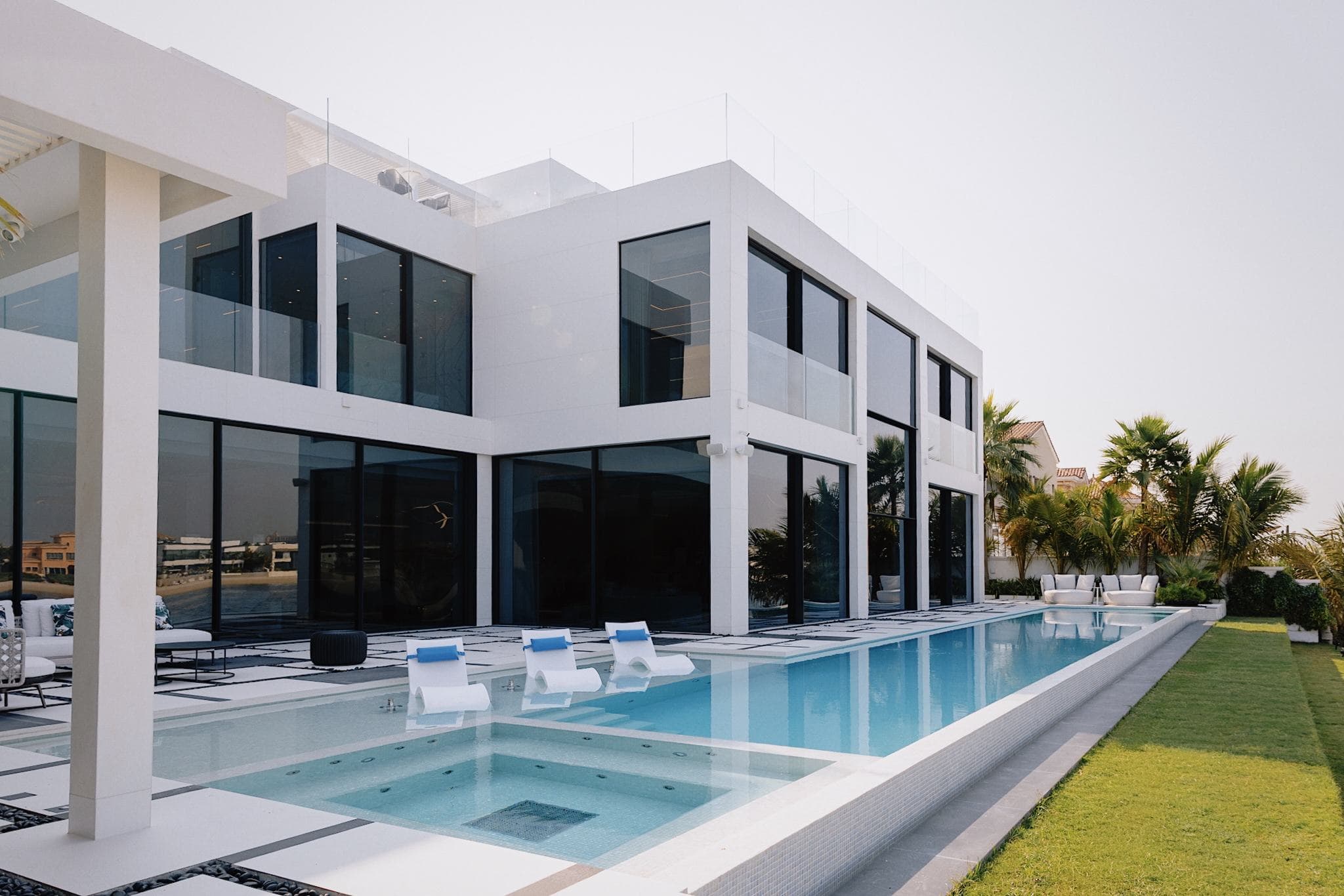
Yes, for most long-term buyers Palm Jumeirah remains one of Dubai's strongest investments in 2026, though it does not fit everyone. The Palm has delivered some of the emirate's best capital appreciation over the past decade, and its supply of frond villas is permanently fixed, which supports values. The trade-offs are high entry prices, gross rental yields below those of cheaper communities, and slower sales at the very top of the market. If you buy for the long term and value scarcity, prestige and prime waterfront demand, the case is compelling. If you want maximum yield or quick exits, look elsewhere.
Key takeaways
- •Palm Jumeirah has been among Dubai's top-performing communities for long-term capital appreciation.
- •Frond villa supply is permanently finite, which underpins scarcity-driven value.
- •Rental and short-let demand stays high, but gross yields are lower than in cheaper areas.
- •The main risks are high entry cost, softer gross yields and slower liquidity at the ultra-prime end.
- •It suits long-term, equity-rich buyers who put prestige and durable demand ahead of headline yield.
- •All figures here are indicative and not guaranteed; returns depend on the specific asset and timing.
The verdict: strong for the right buyer
Palm Jumeirah is a good investment in 2026 if you have a long horizon and the capital to enter at prime price points. It pairs real scarcity with sustained global demand, and that pairing has historically protected and grown values. It is not Dubai's highest-yielding area, and the most expensive assets can take time to sell. Treat it as a store of wealth with appreciation potential and a strong lifestyle return, and match your goals to the asset before you buy.
Capital appreciation track record
Over the past decade Palm Jumeirah has been one of Dubai's strongest performers for capital growth, with signature villas and premium apartments posting substantial gains through the recent cycle. Prime waterfront addresses lead in upswings and hold value better in softer periods, because their buyers are international and depend less on local financing conditions. Past performance never guarantees future results, and any market can pause. The structural drivers (limited land, iconic status and a deep pool of high-net-worth demand) have supported the Palm's long-term path again and again. Use the historical growth as context for your decision, not as a forecast.

Scarcity: a finite number of frond villas
Fixed supply defines the Palm as an investment. The fronds hold a set number of beachfront villas, and nobody will ever add more on the original island. Dubai launches new communities continually, so a permanent ceiling like this is unusual. When demand rises against supply that cannot expand, values have structural support. The effect is strongest for frond villas with private beach access, which cannot be replaced. Apartments and Shoreline stock are more plentiful, so the scarcity premium concentrates at the villa end. Owning something that cannot be reproduced sits at the centre of the long-term case.
Rental and short-let demand
Tenant demand on the Palm is deep and durable. Senior executives and relocating families take long leases, and a steady flow of tourists and business visitors feeds the short-let market. Well-presented apartments and villas near the beach, Atlantis and the boardwalk let quickly and earn premium nightly rates in peak season. Gross yields, healthy in absolute terms, sit below those of more affordable communities because entry prices are high. Short-let can lift returns but adds management cost and seasonality. You will rarely struggle to find tenants on the Palm; the lower percentage yield reflects the premium you pay to own there.

The honest risks
Weigh three risks. First, the entry price is high, which raises the capital at stake and can concentrate your portfolio. Second, gross rental yields are lower than in cheaper areas, so if income is your main goal the Palm may underdeliver in percentage terms. Third, liquidity thins at the very top: ultra-prime villas have a smaller buyer pool and can take longer to sell at your price, especially in quieter markets. For the right buyer none of these rules the Palm out, but a poor entry price, a rushed exit or too much leverage can wear away what it otherwise offers.
Long-term versus short-term, and who it suits
Palm Jumeirah rewards patience. Over five to ten years, scarcity and demand have historically worked in the owner's favour, and you enjoy the lifestyle throughout. Flipping is riskier here, because transaction costs, price sensitivity at the top and slower ultra-prime sales can eat into quick gains. The ideal buyer is equity-rich, thinks long term and cares about prestige, waterfront living and durable value more than headline yield: end users, second-home buyers and investors preserving wealth. If you need maximum cash-on-cash return or fast exits, a higher-yielding community will serve you better. All figures are indicative and not guaranteed.
Frequently asked
Is Palm Jumeirah a good investment in 2026?+
For long-term, equity-rich buyers, yes. It combines finite supply with deep global demand, which has historically supported strong capital appreciation. It suits investors chasing maximum rental yield or fast exits less well.
Has Palm Jumeirah been a strong performer for capital growth?+
Historically it has been among Dubai's top performers, especially for frond villas and premium apartments. Past performance does not guarantee future results, and figures are indicative, but the structural drivers remain in place.
What rental yield can I expect on the Palm?+
Gross yields on the Palm are lower than in cheaper Dubai communities because entry prices are high, though rental income in absolute terms is strong. Short-let can lift returns but adds cost and seasonality. Your yield depends on the specific property.
What are the main risks of buying on Palm Jumeirah?+
A high entry price, lower gross yields than cheaper areas, and slower liquidity at the ultra-prime end, where the buyer pool is smaller. Buying at a sensible price and holding long term keeps these in check.
Why does scarcity matter on Palm Jumeirah?+
The number of frond beachfront villas is permanently fixed, so supply cannot expand to meet rising demand. That scarcity supports long-term values, most of all for irreplaceable villas with private beach access.
Who is Palm Jumeirah best suited to?+
Long-term buyers with substantial equity who value prestige, waterfront living and durable demand: end users, second-home owners and investors preserving wealth. If you focus purely on yield or quick resale, other areas will serve you better.


