
Investment · 8 min read
Palm Jumeirah Short-Term Rental Income: A Guide
The EQT Private Office · RERA-registered brokerage · Published August 26, 2026
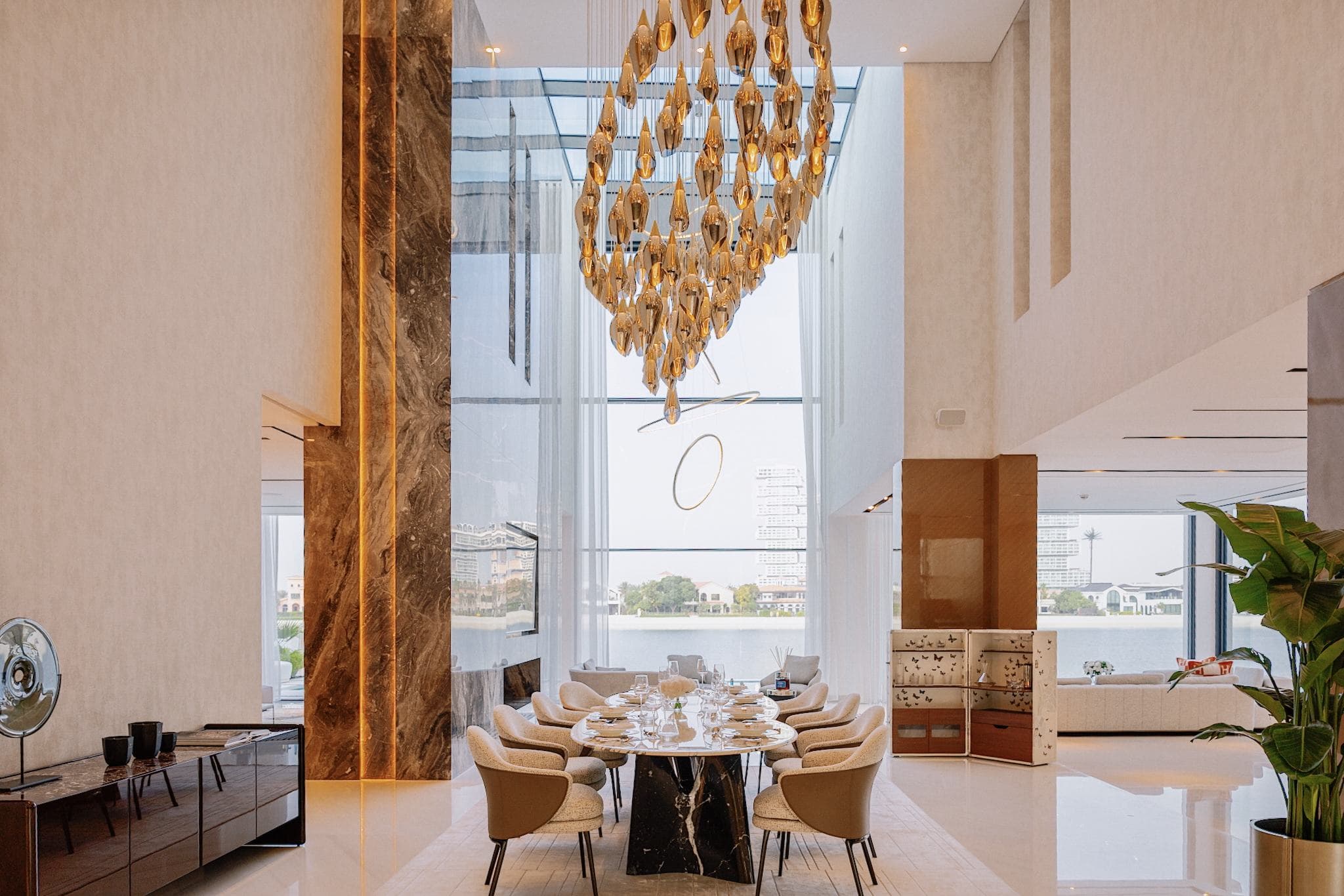
Palm Jumeirah is one of Dubai's strongest holiday-let markets. A beachfront address, resort setting and globally recognised brand mean furnished apartments and villas here command premium nightly rates and healthy occupancy across most of the year. Owners can typically earn meaningfully more gross income than on a standard long-term lease, though management fees, cleaning, utilities and platform commissions narrow that gap once you look at net returns. To operate legally you must hold a Department of Economy and Tourism (DET) holiday-home permit. This guide covers why Palm performs, the permit rules, gross versus net income, seasonality, how short-let compares to long-let, and your management options.
Key takeaways
- •Palm Jumeirah ranks among Dubai's top-performing short-let locations thanks to its beachfront, resort lifestyle and international brand recognition.
- •You must hold a DET (Department of Economy and Tourism) holiday-home permit to legally list a property for short-term stays.
- •Gross short-let income often beats a long lease, but management, cleaning, utilities and platform fees can absorb 20 to 35 percent of revenue.
- •Income is seasonal: peak winter months (roughly November to April) drive the strongest rates and occupancy.
- •Long-let offers stability and lower effort; short-let offers higher upside with more admin, cost and vacancy risk.
- •A professional holiday-home operator handles permits, listings, guests and compliance, but takes a management share of revenue.
Why Palm Jumeirah performs for short-term rentals
Few Dubai addresses convert as well into holiday-let demand as Palm Jumeirah. Guests are paying for a specific experience: private and public beach access, a resort atmosphere, sea views, and proximity to landmark hotels, beach clubs and restaurants. That experience supports premium nightly rates that a comparable inland apartment cannot match. The Palm is also a recognisable global brand, which shortens the booking decision for international travellers searching for Dubai stays. Demand is broad, spanning family holidaymakers, couples, remote workers on longer stays and business visitors who prefer a residence to a hotel. Well-presented, professionally furnished units in sought-after buildings and beachfront villas tend to enjoy both stronger rates and steadier occupancy than average, which is what ultimately drives holiday-let income.
The DET holiday-home permit requirement
Short-term letting in Dubai is regulated. To rent your Palm Jumeirah property on a nightly or weekly basis, you must register it as a holiday home with the Department of Economy and Tourism (DET) and hold a valid permit for the unit. This applies whether you manage the property yourself as an owner or appoint a licensed operator to run it for you. The permit process involves registering the property, meeting furnishing and safety standards, and paying the applicable fees, with a nightly tourism fee, the Tourism Dirham, collected per occupied room per night. Listing a property for short stays without a permit is not compliant and can expose you to penalties. Always confirm that any building or community rules also allow holiday-home use before you commit.

Gross versus net: what you actually keep
Gross income is the total of your nightly rates across the year; net income is what remains after the costs of running a short-let. On Palm Jumeirah the headline gross figures can look very attractive, but several deductions apply before profit. Expect management fees if you use an operator, cleaning and laundry between stays, utilities and internet (which the host usually covers), consumables and restocking, platform or channel commissions, the DET permit and Tourism Dirham costs, plus periodic maintenance and furniture refresh. Combined, these can absorb roughly 20 to 35 percent of revenue depending on your setup and how much you self-manage. The practical takeaway: judge any Palm short-let opportunity on realistic net income after all operating costs, not on the gross top line.
Seasonality and occupancy
Short-let income on Palm Jumeirah is seasonal rather than flat across the year. The peak season runs roughly from November to April, when Dubai's cooler weather draws the most visitors and both nightly rates and occupancy climb. The hotter summer months soften demand, so rates ease and occupancy dips, though the beach and resort appeal keep the Palm more resilient than many inland areas. Major events, holidays and long weekends create additional spikes. Because of this pattern, annual income is best modelled month by month rather than as a single average night times 365. A good operator uses dynamic pricing, raising rates into peak demand and adjusting downward in quieter windows to protect occupancy, which meaningfully affects the yearly total.

Long-let versus short-let on the Palm
The right choice depends on your priorities. A long-term lease delivers a single tenant, predictable annual rent, minimal day-to-day involvement and lower running costs, but caps your upside and ties up the property for the term. A short-let can generate higher gross income on a strong Palm asset and keeps the home available for your own use between bookings, but it carries more cost, more admin, vacancy risk and the compliance burden of a permit. As a rule of thumb, short-let tends to reward well-located, well-presented units that attract consistent demand, while long-let suits owners who value certainty and simplicity. Modelling both on realistic net figures for your specific unit is the only reliable way to compare them.
Management options
You have three broad routes. Self-management gives you the most control and avoids an operator's share, but you take on the permit, listings, pricing, guest communication, check-ins, cleaning coordination and compliance yourself, which is effectively a part-time job. A full-service holiday-home operator handles everything end to end, including the DET registration, professional photography, multi-platform listings, dynamic pricing, guest management and turnover, in exchange for a percentage of revenue. A hybrid arrangement sits between the two, where you outsource some tasks and keep others. For most overseas owners, or anyone who wants passive income, a reputable licensed operator is the practical choice. Compare operators on their fee structure, the buildings they know, their occupancy track record and how transparently they report.
Frequently asked
Do I need a permit to rent my Palm Jumeirah property short-term?+
Yes. Any nightly or weekly holiday letting in Dubai requires the property to be registered with the Department of Economy and Tourism (DET) and hold a valid holiday-home permit. This applies whether you self-manage or appoint a licensed operator, and you should also confirm your building or community rules allow holiday-home use.
How much can a Palm Jumeirah short-let earn?+
It varies by unit type, building, view, furnishing quality and how well it is managed. Palm's beachfront, resort setting and brand support premium nightly rates and healthy occupancy, so gross income often exceeds a long lease. The key is to model realistic net income after fees, cleaning, utilities and permit costs, not the gross figure alone.
Is short-let more profitable than long-let on the Palm?+
Often on a gross basis, yes, because Palm commands strong holiday-let demand. On a net basis the gap narrows once management, cleaning, utilities, commissions and vacancy are counted. Short-let rewards well-located, well-presented units, while long-let offers stability and lower effort. Compare both on realistic net numbers for your specific property.
What costs come out of short-term rental income?+
Typical deductions include management fees, cleaning and laundry between stays, utilities and internet, consumables, platform commissions, the DET permit and Tourism Dirham charges, and periodic maintenance or furniture refresh. Together these can absorb roughly 20 to 35 percent of revenue, depending on your setup and how much you handle yourself.
When is peak season for Palm Jumeirah holiday homes?+
Peak demand runs roughly from November to April, when Dubai's cooler weather draws the most visitors and both rates and occupancy rise. Summer is softer, though the Palm's beach and resort appeal keep it more resilient than many inland areas. Events and holidays create additional spikes, so income is best modelled month by month.
Should I self-manage or use a holiday-home operator?+
Self-management avoids an operator's share but means handling the permit, listings, pricing, guests, cleaning and compliance yourself. A full-service operator manages everything end to end for a percentage of revenue, which suits overseas owners and anyone wanting passive income. Compare operators on fees, building knowledge, occupancy track record and reporting transparency.


