
Investment · 8 min read
Is Palm Jumeirah a Good Investment in 2026?
The EQT Private Office · RERA-registered brokerage · Published August 26, 2026
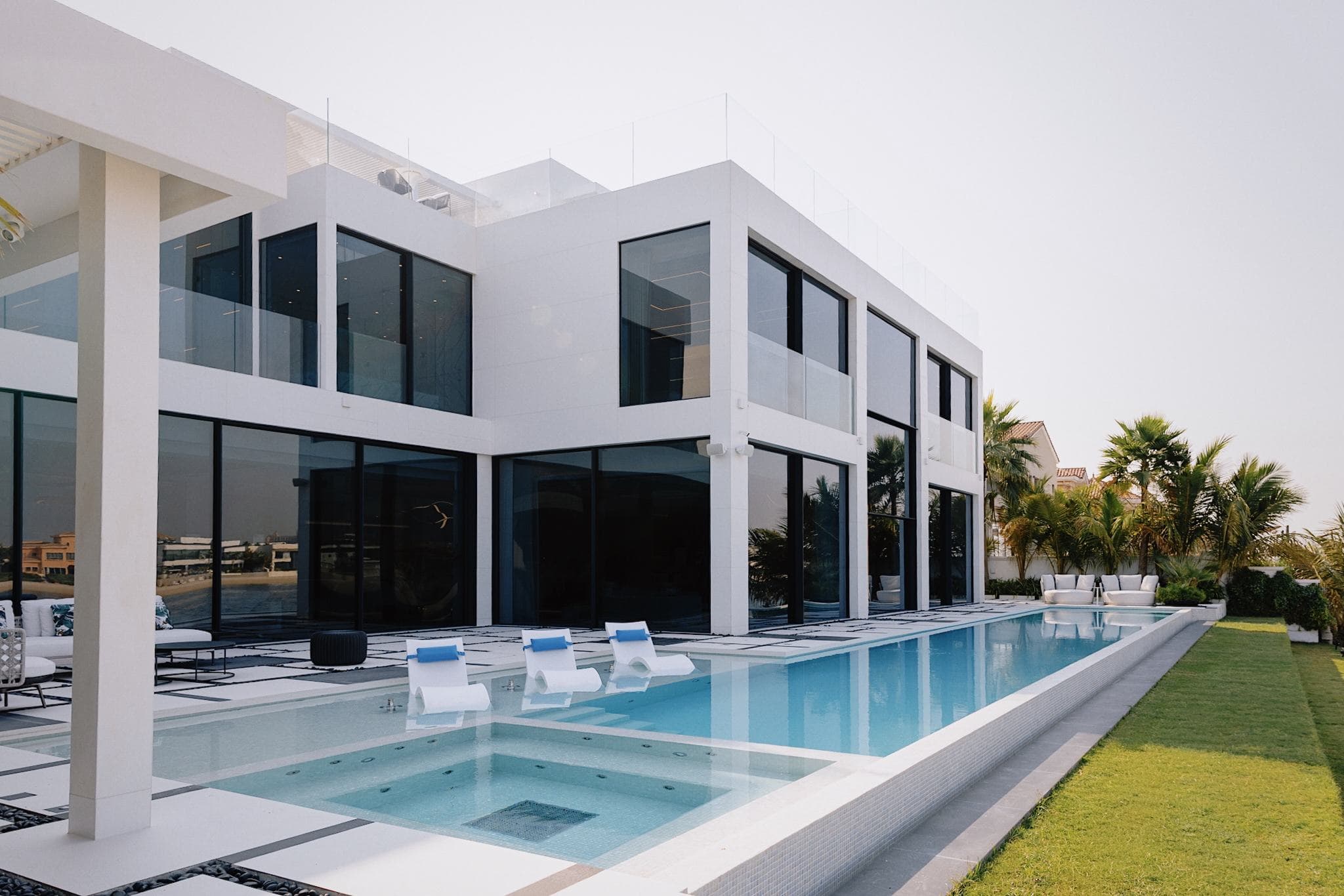
Yes, for most long-term buyers Palm Jumeirah remains one of Dubai's strongest investments in 2026, but it is not a fit for everyone. The Palm has delivered some of the emirate's best capital appreciation over the past decade, and its supply of frond villas is permanently fixed, which supports values. The trade-offs are real: high entry prices, gross rental yields that sit below cheaper communities, and slower liquidity at the very top of the market. If you buy for the long term and value scarcity, prestige, and prime waterfront demand, the case is compelling. If you chase maximum yield or need quick exits, look elsewhere.
Key takeaways
- •Palm Jumeirah has been among Dubai's top-performing communities for long-term capital appreciation.
- •Frond villa supply is permanently finite, which underpins scarcity-driven value.
- •Rental and short-let demand stays high, but gross yields are typically lower than in cheaper areas.
- •Main risks are high entry cost, softer gross yields, and slower liquidity at the ultra-prime end.
- •It suits long-term, equity-rich buyers who prioritise prestige and durable demand over headline yield.
- •All figures here are indicative and not guaranteed; returns depend on the specific asset and timing.
The verdict: strong for the right buyer
Palm Jumeirah is a good investment in 2026 for buyers with a long horizon and the capital to enter at prime price points. The reasoning is simple: it pairs genuine scarcity with sustained global demand, a combination that has historically protected and grown values. That said, honesty matters. The Palm is not the highest-yielding area in Dubai, and the most expensive assets can take time to sell. The right buyer treats it as a wealth-preservation and appreciation play with a strong lifestyle dividend, not as a high-turnover cash machine. Match your goals to the asset and the case is persuasive.
Capital appreciation track record
Over the past decade Palm Jumeirah has been one of Dubai's strongest performers for capital growth, with signature villas and premium apartments seeing substantial gains through the recent cycle. Prime waterfront addresses tend to lead in upswings and hold value better in softer periods, because the buyer pool is international and less reliant on local financing conditions. Past performance never guarantees future results, and any market can pause or correct. But the structural drivers, limited land, iconic status, and a deep pool of high-net-worth demand, have repeatedly supported the Palm's long-term trajectory. Treat historical growth as context, not a promise.

Scarcity: a finite number of frond villas
The Palm's defining investment feature is fixed supply. The fronds hold a set number of beachfront villas, and no more will ever be created on the original island. That permanent ceiling on supply is unusual in Dubai, where new communities are launched continually. When demand rises against a supply that cannot expand, values are structurally supported. This scarcity is most powerful for frond villas with private beach access, which are effectively irreplaceable. Apartments and Shoreline stock are more plentiful, so the scarcity premium is strongest at the villa end. For buyers, owning something that cannot be reproduced is a large part of the long-term thesis.
Rental and short-let demand
Occupier demand on the Palm is deep and durable. Long-term tenants include senior executives and relocating families, while the short-let market benefits from constant tourist and business visitor flow to a globally recognised destination. Well-presented apartments and villas near the beach, Atlantis, and the boardwalk rent quickly and command premium nightly rates in peak season. The caveat is that gross yields, while healthy in absolute terms, usually sit below those in more affordable communities because entry prices are high. Short-let can lift returns but adds management cost and seasonality. Demand is rarely the problem on the Palm; the yield maths simply reflects the premium you pay to be there.

The honest risks
Three risks deserve clear eyes. First, the entry price is high, which raises the absolute capital at stake and can concentrate a portfolio. Second, gross rental yields are typically lower than in cheaper areas, so if income is your primary goal the Palm may underdeliver on a percentage basis. Third, liquidity thins at the very top: ultra-prime villas have a smaller buyer pool and can take longer to sell at the price you want, especially in quieter markets. None of these are dealbreakers for the right buyer, but they are real. A weak entry price, a rushed exit, or an over-leveraged position can erode what the Palm otherwise offers.
Long-term versus short-term, and who it suits
Palm Jumeirah rewards patience. Over a five to ten year horizon, scarcity and demand have historically worked in the owner's favour, and the lifestyle value is enjoyed throughout. Short-term flipping is riskier here because transaction costs, price sensitivity at the top, and slower ultra-prime liquidity can eat into quick gains. The ideal buyer is equity-rich, long-term minded, and motivated by prestige, waterfront lifestyle, and durable value rather than headline yield: end users, second-home buyers, and wealth-preservation investors. If you need maximum cash-on-cash return or fast exits, a higher-yielding community will serve you better. Figures throughout are indicative and not guaranteed.
Frequently asked
Is Palm Jumeirah a good investment in 2026?+
For long-term, equity-rich buyers, yes. It combines finite supply with deep global demand, which has historically supported strong capital appreciation. It is less suited to investors chasing maximum rental yield or fast exits.
Has Palm Jumeirah been a strong performer for capital growth?+
Historically it has been among Dubai's top performers, especially for frond villas and premium apartments. Past performance does not guarantee future results, and figures are indicative, but the structural drivers remain in place.
What rental yield can I expect on the Palm?+
Gross yields on the Palm are generally lower than in cheaper Dubai communities because entry prices are high, though absolute rental income is strong. Short-let can lift returns but adds cost and seasonality. Actual yield depends on the specific property.
What are the main risks of buying on Palm Jumeirah?+
The key risks are a high entry price, lower gross yields than cheaper areas, and slower liquidity at the ultra-prime end where the buyer pool is smaller. Buying at a sensible price and holding long term helps manage these.
Why does scarcity matter on Palm Jumeirah?+
The number of frond beachfront villas is permanently fixed, so supply cannot expand to meet rising demand. That structural scarcity supports long-term values, and it is strongest for irreplaceable villas with private beach access.
Who is Palm Jumeirah best suited to?+
It suits long-term buyers with substantial equity who value prestige, waterfront lifestyle, and durable demand: end users, second-home owners, and wealth-preservation investors. Those focused purely on yield or quick resale are usually better served elsewhere.


